This issue's lead
They took one emitting layer out and the colour got wider
OLED has spent more than 10 years going one way, adding layers. This is the week LG Display turned the other way in a mainstream panel.
Article title LG Display's budget WOLED strategy, back to a 2-stack tandem

While the fingerprint, ambient light and proximity sensors went under the screen one after another, Face ID alone has stayed on top of it for 9 years. The diffraction that creates 30,000 dots is the same principle that, on meeting the panel, copies those dots and breaks them. The answer the industry produced was not to add more dots but to cut them by more than ten times. For optical and sensor design engineers who have to put 3D sensing under a panel, from operating principle through to three branches of solution.
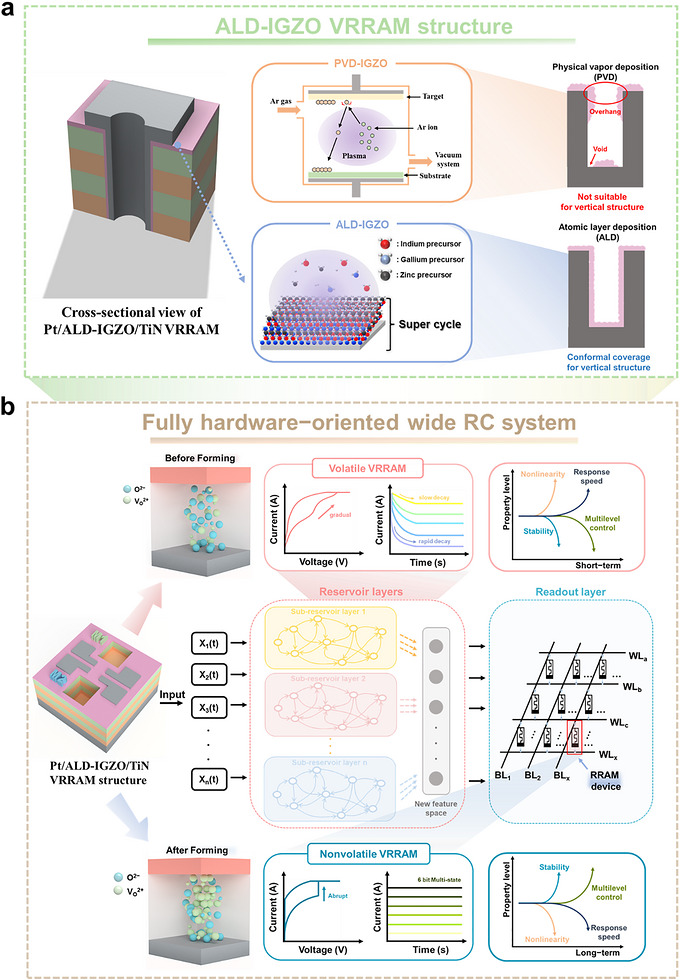
IGZO has been used for more than 20 years as nothing but the switch behind the screen. A Dongguk University group stood it up as the resistive switching layer of a vertical memory. The key was ALD rather than sputtering, and the switching only came alive once the In:Ga:Zn ratio was pushed toward gallium, as far as 1:3:1. It shows how far a material display process teams already know can be extended.
Of 16 display-related papers picked from 12 major journals (published online 2026-08-10 to 08-16), 14 are covered briefly here. The other 2 were treated as separate in-depth articles.
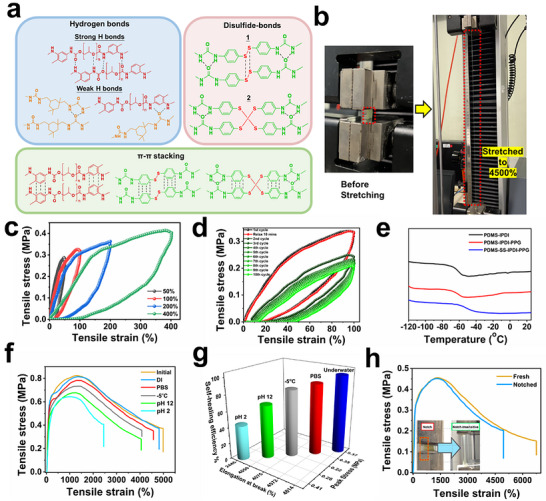
A self-healing polymer modeled on the layered structure of a butterfly wing was put into both the emissive layer and the encapsulation, and the perovskite LED kept 93% of its luminance after 1,000 bends. A figure of 30 days at 70% humidity came with it. Cracking and moisture ingress, the two things holding wearable displays back, were handled together by one encapsulant.
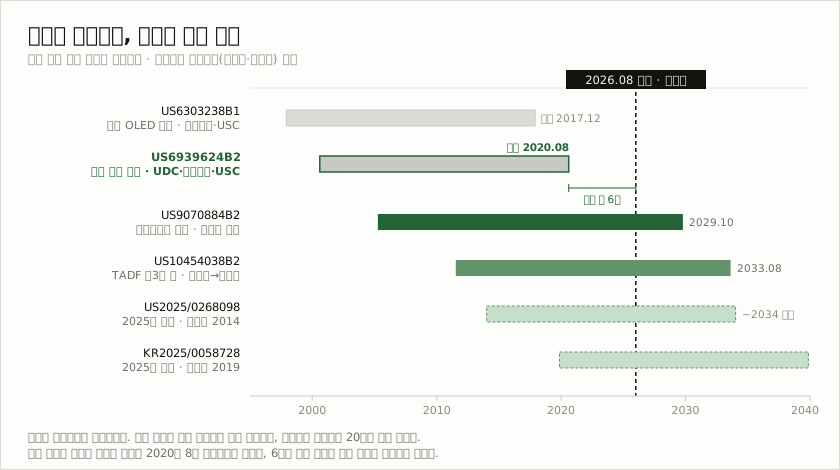
The patent claiming the principle of blue phosphorescence expired in 2020-08. Six years past expiry, no adoption into mass production has been announced. In this stretch where nobody can block it and nobody can build it, we checked against granted patent originals where the actual line of defense has moved.