
This issue's lead
A 560Hz OLED and an 1,100Hz LCD met over an esports panel
The talk of Gamescom this week was the world’s first 1,100Hz gaming monitor. Between a 560Hz OLED and an 1,100Hz LCD, which one shows a moving target more sharply?
Article title Penta tandem and tandem WOLED meet on a 24.5-inch esports panel
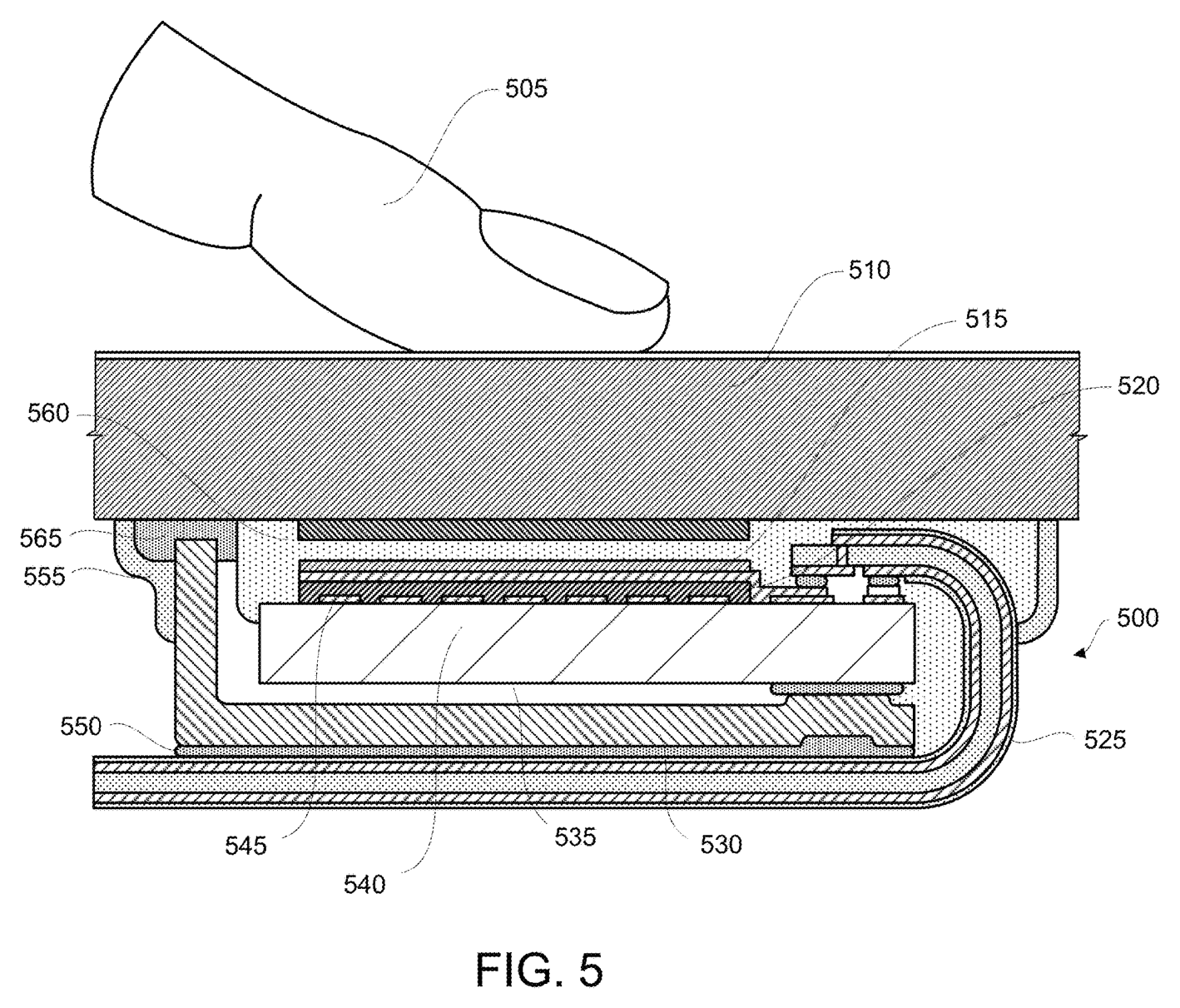
Acoustic impedance is the geometric mean of density and stiffness. Glass and adhesive differ by a factor of 2.2 in density but by 34 in stiffness, so their impedances part by 8.6 times. Crossing 700 micrometres of cover glass loses essentially nothing, while a single 20-micrometre adhesive layer beneath it drops one-way transmission to 9 %. Industry has only two routes: make it so thin it might as well not be there, or dope it with particles to raise its stiffness.
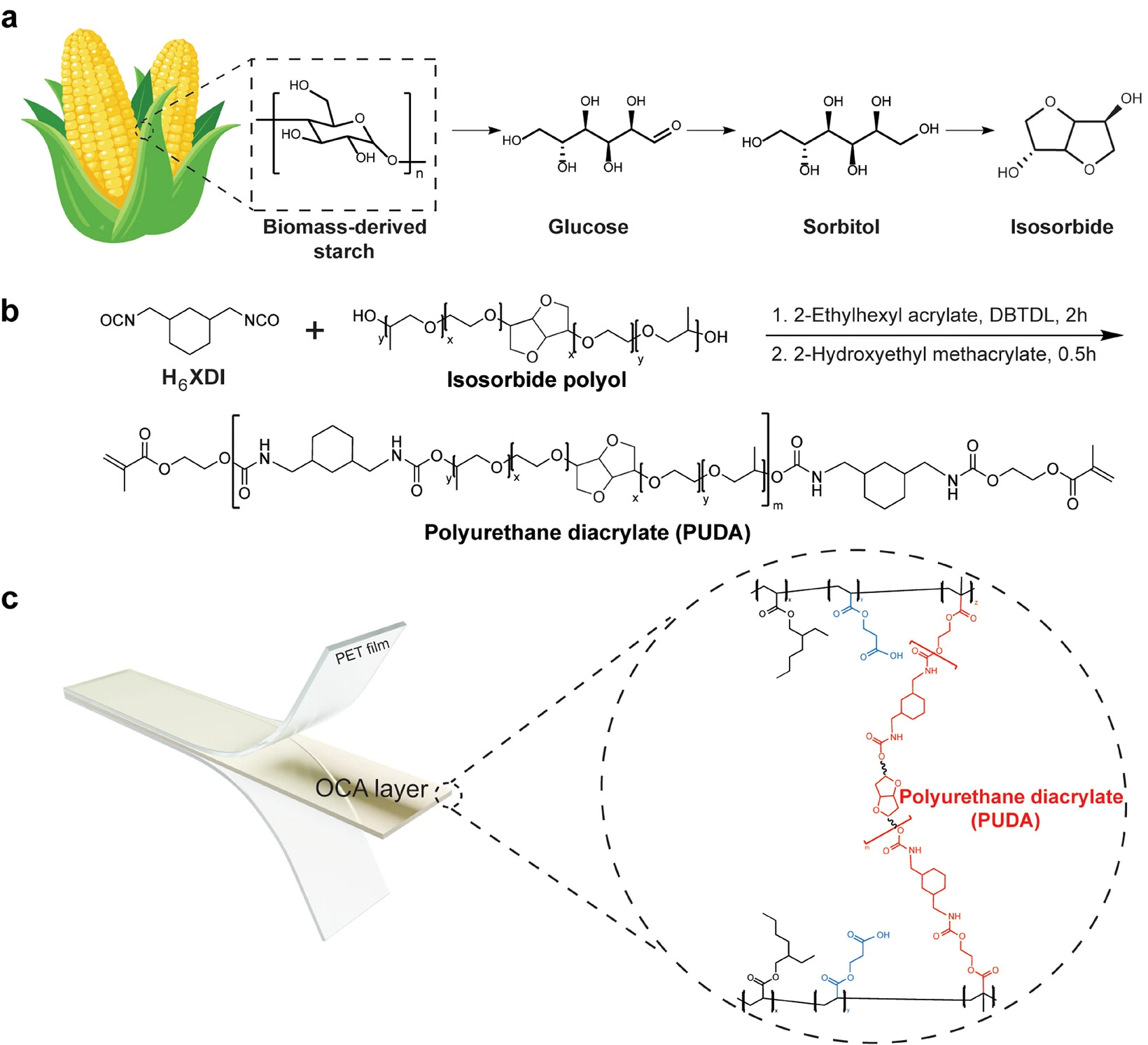
The quietest layer in a foldable screen is the optically clear adhesive. Fold it and a mark stays; stretch it and it goes hazy. A UNIST and Youngwoo team rebuilt the crosslinker from isosorbide, derived from corn, holding 98.6% transmittance even stretched 50% and returning to place in 2.5 seconds when released. The paper calculates that this transmittance difference alone extends battery life by about 4%.
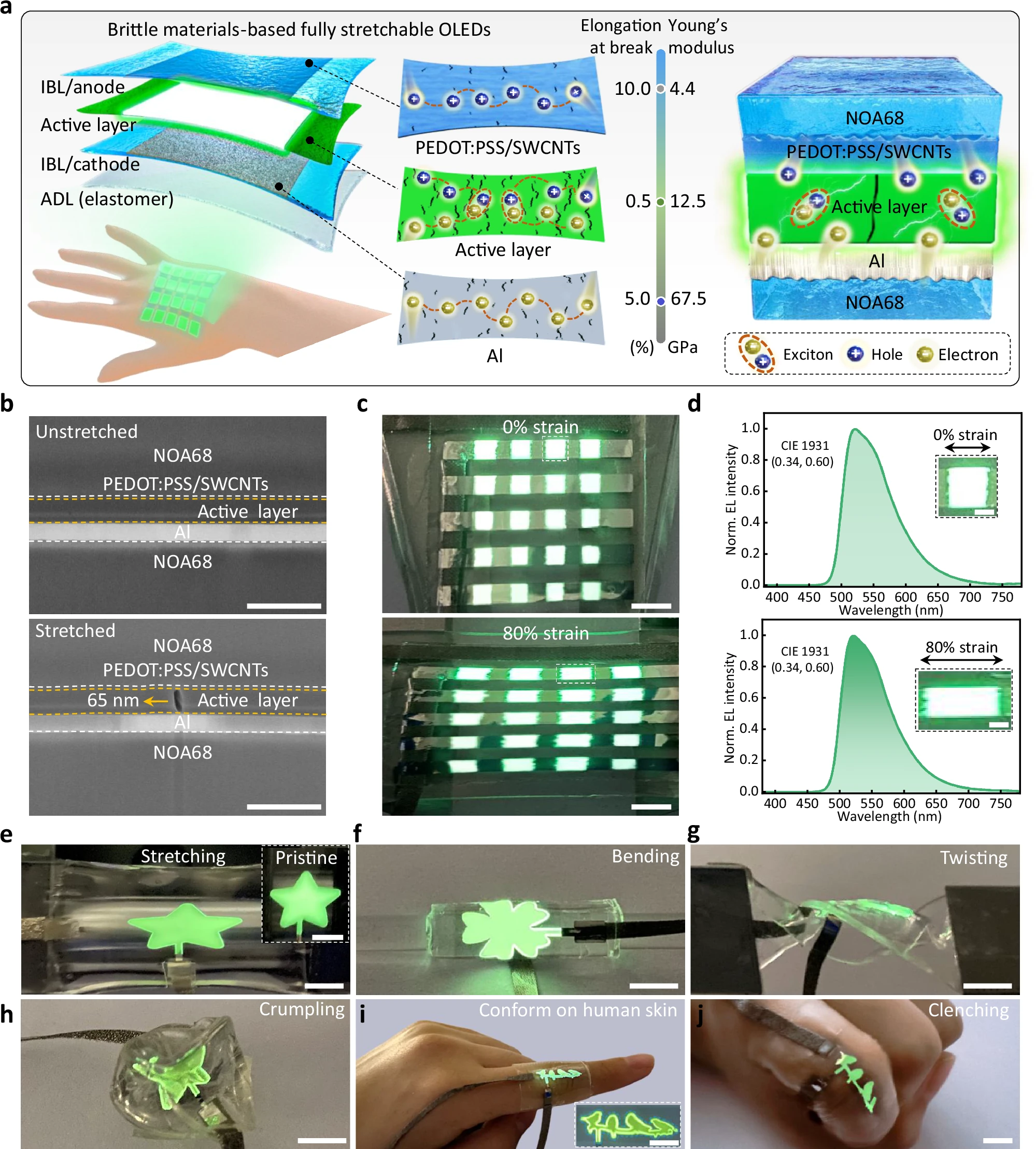
Stretchable OLED research has so far been entirely about stopping cracks from forming. A Northeast Normal University group went the other way. They designed where and in which direction the cracks would run, standing 65-nanometre-wide cracks vertically and only inside the emissive layer. At 1/10 of a visible wavelength they are invisible, and the vertical current path is not broken. An external quantum efficiency of 24.7% passes the previous record for a stretchable device.
Fifteen display-related papers, picked out of 776 screened across 12 major journals. The remaining two are covered as separate in-depth articles.
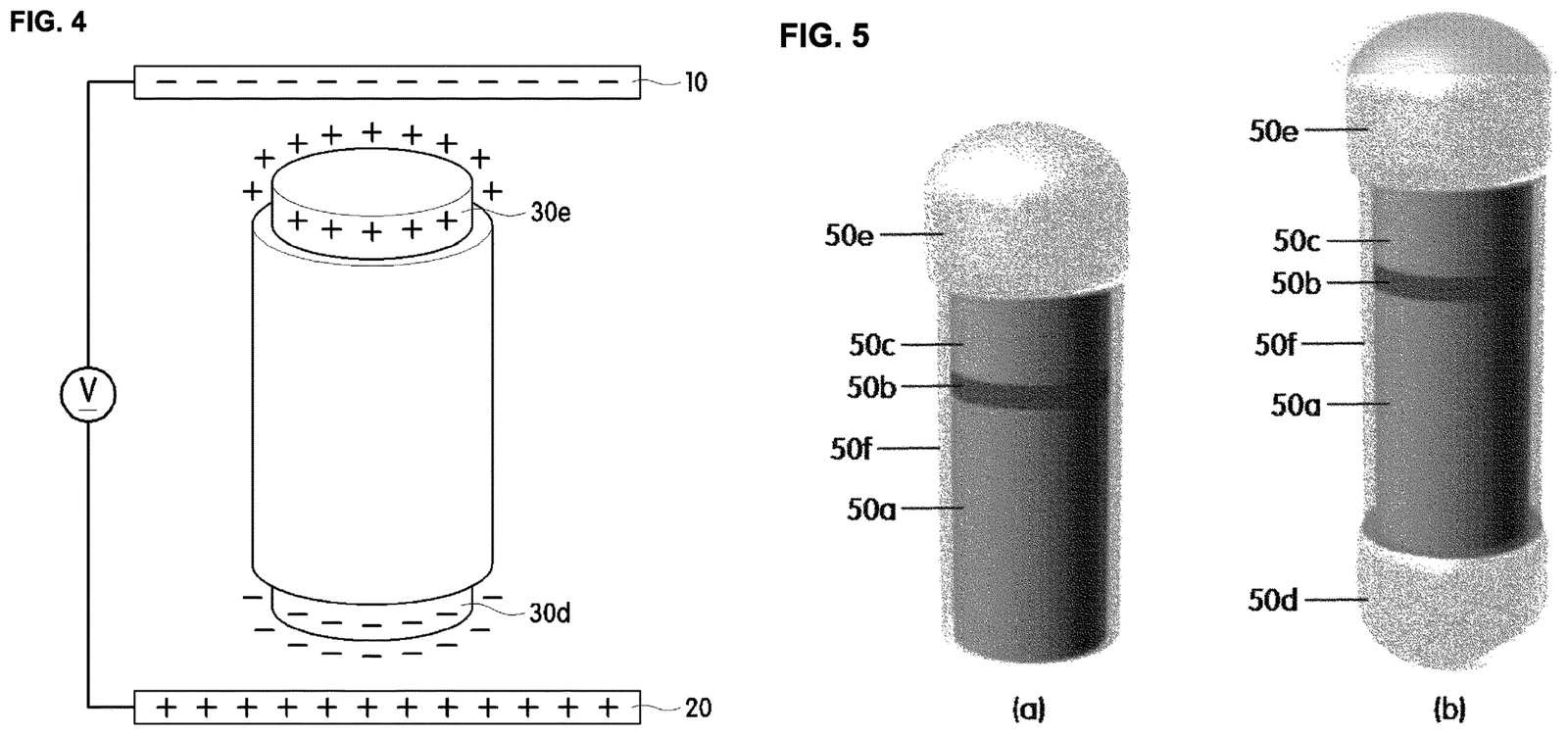
There are two ways to put a nano LED onto a screen. Make it separately and lay it down, or grow it standing up in place. The two opposite methods both came out of university laboratories, and in both lineages the patents ended up at Samsung. One whole day, 7 September 2018, sits in the US Patent Office assignment records. And yet the company now building a mass production line is France's Aledia, which did not sell its patents.